FulfillmentLast updated
How to Choose an Ecommerce Fulfillment Partner: 5 Things to Look For
Discover how to choose an ecommerce fulfillment partner. Learn about order accuracy, inventory management, delivery options and 3PL services in Malaysia and Singapore.
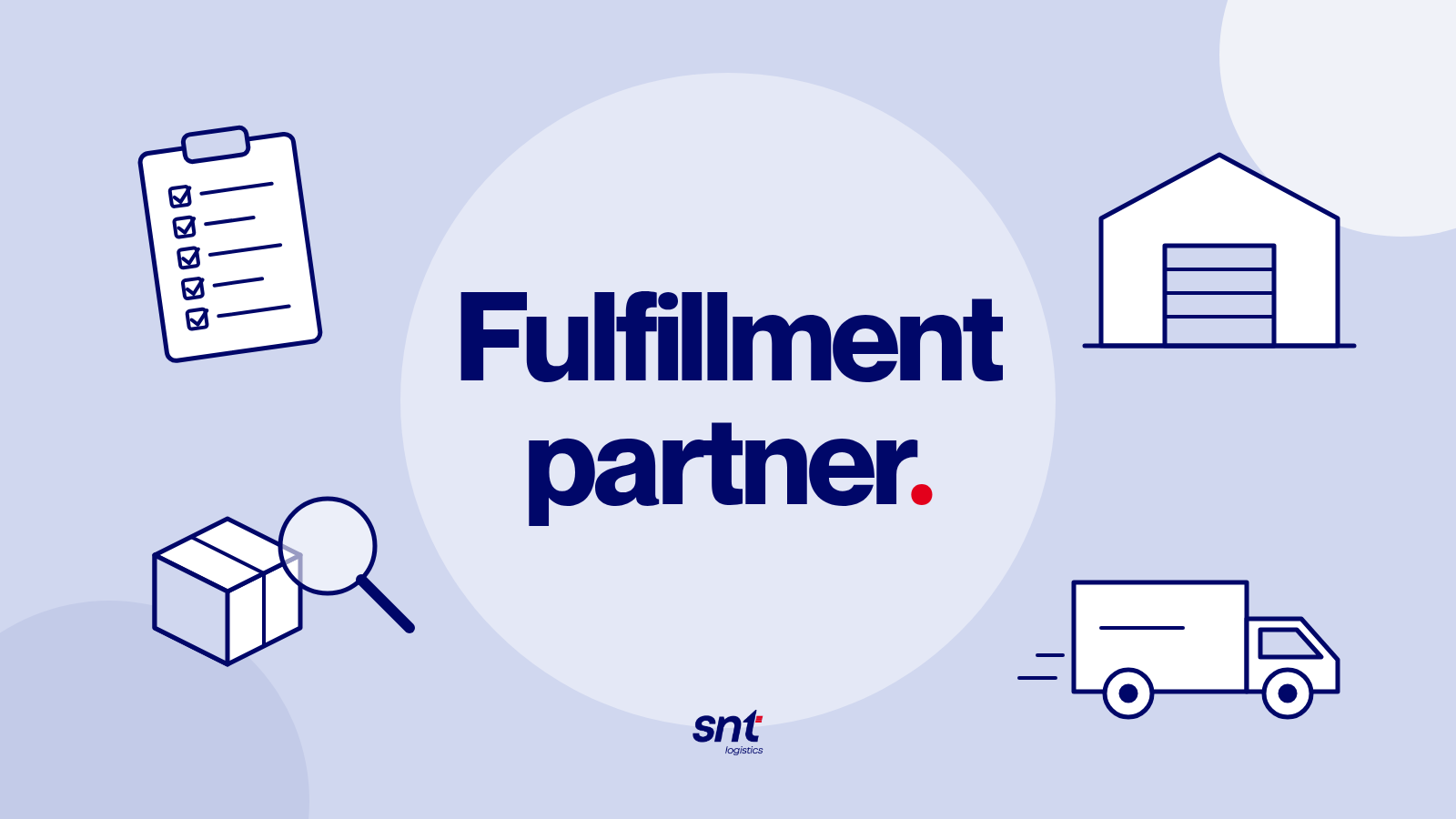
Running an ecommerce business involves more than selling products. As order volumes grow, so does the complexity of storing inventory, processing orders, managing deliveries and keeping customers informed.
Malaysia's ecommerce market continues to expand. According to Bain, report, Malaysia's ecommerce gross merchandise value (GMV) was projected to reach US$20 billion in 2025, representing 21% year-on-year growth.
For businesses operating in this growing market, scaling sales also means scaling the logistics operations behind them.
What works when you're fulfilling a handful of orders each day can quickly become difficult to manage as your business expands. More orders mean more inventory to track, more packages to prepare and more opportunities for operational bottlenecks.
Outsourcing these operations to a third-party logistics (3PL) provider can help simplify fulfillment and create room to focus on sales, marketing and customer experience.
But not all ecommerce fulfillment services are the same. The right partner should do more than store products and arrange deliveries. It should support your operational requirements today while giving your business the flexibility to grow.
Here are five things to consider when choosing an ecommerce fulfillment partner.
1. Reliable Order Fulfillment and Delivery
Customers expect their online orders to arrive promptly and in good condition. For ecommerce businesses, meeting those expectations depends on what happens behind the scenes, long before a parcel reaches the customer's doorstep.
Delivery options can also influence whether a customer completes a purchase. DHL's 2025 E-Commerce Trends Report found that 77% of surveyed shoppers in Asia Pacific would abandon their cart if their preferred delivery options were unavailable.
This highlights why logistics should be considered part of the customer experience, rather than simply the final step of a transaction.
A reliable ecommerce fulfillment partner should have the warehouse processes, workforce and delivery arrangements to keep orders moving efficiently.
When evaluating a provider, consider:
- Order processing cut-off times and dispatch schedules.
- Available delivery services and geographic coverage.
- Processes for handling urgent orders and delivery exceptions.
- Visibility into order status from processing through dispatch.
Same-day dispatch, for example, can be valuable for businesses with time-sensitive orders. However, dispatch and delivery are different stages. A provider should clearly explain its warehouse processing commitments and the delivery options available through its courier partners.
At SNT Global, our fulfillment operations are supported by partnerships with local courier providers and CollectCo's nationwide Pick Up Drop Off (PUDO) network. These arrangements give businesses access to additional delivery and collection options, subject to service availability and coverage.
The objective is to help ecommerce businesses manage the movement of orders from warehouse to customer through a coordinated fulfillment and delivery process.
2. Inventory Accuracy and Warehouse Visibility
As your business grows, keeping track of inventory becomes increasingly important.
An inaccurate inventory record can lead to overselling, delayed orders, unnecessary stock replenishment and additional customer service work. Picking the wrong product or quantity can also result in returns and extra fulfillment costs.
For ecommerce retailers, logistics is closely connected to commercial performance. DHL's 2025 Business Edition survey found that 96% of surveyed ecommerce retailers considered their logistics offering important to securing sales.
That makes inventory accuracy and warehouse visibility more than operational considerations. They are important parts of delivering a consistent customer experience.
SNT Global incorporates radio frequency (RF) technology and barcode scanning into its proprietary warehouse management system (WMS).
These tools help warehouse personnel verify products during picking and record activity at key stages of the fulfillment process. The resulting timestamps provide a record that can be reviewed when investigating discrepancies or operational issues.
For ecommerce businesses, this type of process visibility can help support:
- More systematic product picking and order verification.
- Inventory tracking across warehouse operations.
- Traceability when investigating fulfillment discrepancies.
- Better visibility into order processing activities.
When assessing a fulfillment provider, ask how its warehouse management system records inventory movements, supports stock reconciliation and gives clients access to relevant operational information.
The technology itself is only part of the equation. What matters is how effectively it supports the accuracy, visibility and consistency of your fulfillment operations.
3. Flexible Capacity That Can Scale With Your Business
Ecommerce demand rarely remains constant throughout the year.
Sales may increase during promotional campaigns, festive seasons and major shopping events, then return to more typical levels afterward. Product ranges can also expand, introducing new SKUs, packaging requirements and storage considerations.
A fulfillment arrangement that works at one stage of your business may become restrictive as these requirements change.
A 3PL partner should be able to accommodate changing order volumes and product requirements without compromising established fulfillment processes.
When evaluating a provider's flexibility, consider whether it can support:
- Fluctuating order volumes and seasonal demand.
- A growing range of products and SKUs.
- Different storage, handling and packaging requirements.
- Changes in fulfillment workflows as your business evolves.
It is also worth understanding how fulfillment costs are structured. Storage, order processing, packaging and delivery charges can affect the overall economics of outsourcing.
A suitable arrangement should align with your actual operational needs, rather than requiring your business to maintain capacity it does not consistently use.
At SNT Global, our fulfillment services are designed to accommodate different product requirements and value-added requests through our eCARE ticketing system.
This gives clients a channel to submit fulfillment-related requests, including customized packaging, seasonal greeting card inserts and changes to delivery arrangements.
By recording requests and their handling, eCARE also provides a reference for reviewing fulfillment activities and identifying recurring operational requirements.
For businesses with changing campaigns or customer experience initiatives, this flexibility can help coordinate fulfillment requirements with the broader ecommerce operation.
4. Technology and Integration With Your Ecommerce Operations
A fulfillment provider does not operate in isolation. It needs to work alongside your existing ecommerce systems, inventory processes and customer service operations.
Without suitable systems and communication processes, outsourcing fulfillment can introduce new administrative work instead of reducing it.
Before selecting a 3PL, understand how orders are transferred to the warehouse, how inventory information is maintained and how exceptions are communicated.
Questions worth asking include:
- How are ecommerce orders received and processed?
- How can clients monitor order and inventory status?
- What information is available when an order is delayed or an issue occurs?
- How are special instructions and fulfillment changes communicated?
The answers will depend on the provider's technology, integrations and operating procedures.
SNT Global's proprietary WMS supports warehouse activities, while eCARE provides a ticketing channel for fulfillment-related requests.
Together, these capabilities form part of the operational infrastructure supporting our fulfillment services.
For businesses considering outsourcing, it is important to assess the actual workflows and integration options available for their specific ecommerce platform and requirements.
A clear understanding of these processes before onboarding can help establish expectations and reduce friction during the transition.
5. Fulfillment Coverage That Supports Your Growth
As ecommerce businesses expand, their logistics requirements may extend beyond a single warehouse or domestic delivery network.
This is particularly relevant for businesses selling across multiple markets. DHL's 2025 Business Edition found that 64% of surveyed ecommerce retailers sold internationally, highlighting the importance of cross-border logistics in ecommerce operations.
For businesses operating across Malaysia and Singapore, this may involve coordinating inventory storage, order processing, distribution and cross-border logistics across both markets.
Choosing a fulfillment partner with relevant regional operations can help simplify the coordination of these activities.
However, geographic coverage alone is not enough. Businesses should also understand how the provider manages the operational requirements associated with each market.
Consider:
- Where inventory can be stored and orders fulfilled.
- Which delivery destinations and service options are available.
- How cross-border shipments and related documentation are handled.
- Whether the provider can support changing distribution requirements as the business expands.
SNT Global operates in Malaysia and Singapore, providing a foundation for businesses with logistics requirements across these markets.
Our fulfillment and logistics services can be considered alongside warehousing, transportation and cross-border requirements, depending on the needs of each business.
For ecommerce brands planning regional expansion, discussing these requirements early can help establish an appropriate fulfillment arrangement before order volumes and distribution complexity increase.
How SNT Global Supports Your Ecommerce Fulfillment Operations
Choosing an ecommerce fulfillment partner is ultimately about finding an arrangement that fits the way your business operates.
From inventory handling and order processing to delivery coordination and customized fulfillment requests, each part of the process needs to work together.
SNT Global provides third-party logistics services to help businesses manage these operational requirements.
Our capabilities include warehouse management technology, RF-enabled warehouse processes, courier partnerships and eCARE for managing value-added fulfillment requests.
Whether you are considering outsourcing fulfillment for the first time or reviewing your existing logistics arrangements, understanding your order volumes, product requirements and distribution needs is the first step toward finding a suitable solution.
Looking for an ecommerce fulfillment partner?
Speak with SNT Global about your warehousing, order fulfillment and distribution requirements.
Read more
Omnichannel vs Multichannel Fulfilment: Which Setup Is Right for Your Brand?
Omnichannel vs multichannel fulfillment: separate stock per channel, or one stock count for all. What each does well, and the signs it's time to switch.

3 Signs Your Fulfillment Service is Holding You Back
Is your fulfillment service falling behind? Three signs to check: missed cut-offs, errors you hear about from customers, and requests that take a week.
Which 3PL Provider in Malaysia is Right for Your Lifestyle Brand?
3PL providers in Malaysia compared: DHL, Ninja Van, Locad, URSTORE, SNT and marketplace fulfilment, and which type suits which kind of brand.
Shopee Commission Fees: Breaking Down Costs & Multi-Channel Strategies
Shopee's commission fee changes frequently. What fees cost on one order, and the checks that tell you it's time to add a second channel.